

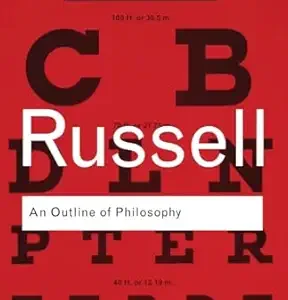
An Outline of Philosophy by Bertrand Russell
Original price was: 550৳ .280৳ Current price is: 280৳ .
Buy Now

Being and Nothingness by Jean-Paul Sartre
Original price was: 550৳ .220৳ Current price is: 220৳ .
Buy Now

Beyond Good and Evil by Friedrich Nietzsche
Original price was: 400৳ .210৳ Current price is: 210৳ .
Buy Now
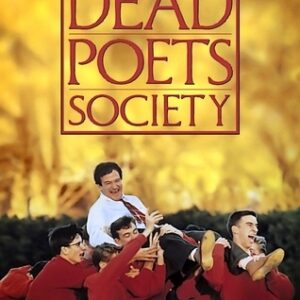
Dead Poets Society by N.H. Kleinbaum
Original price was: 380৳ .220৳ Current price is: 220৳ .
Buy Now



Focus on What Matters: A Collection of Stoic Letters on Living Well by Darius Foroux
Original price was: 390৳ .240৳ Current price is: 240৳ .
Buy Now
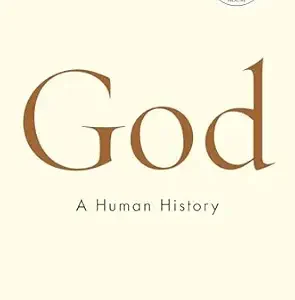
God: A Human History by Reza Aslan
Original price was: 600৳ .250৳ Current price is: 250৳ .
Buy Now
In layered prose and with thoughtful, accessible scholarship, Aslan narrates the history of religion as a remarkably cohesive attempt to understand the divine by giving it human traits and emotions. According to Aslan, this innate desire to humanize God is hardwired in our brains, making it a central feature of nearly every religious tradition. As Aslan writes, “Whether we are aware of it or not, and regardless of whether we’re believers or not, what the vast majority of us think about when we think about God is a divine version of ourselves.”

God’s Generals by Richard A. Gabriel
Original price was: 550৳ .260৳ Current price is: 260৳ .
Buy Now


Guns, Germs, and Steel: The Fates of Human Societies by Jared Diamond
Original price was: 750৳ .399৳ Current price is: 399৳ .
Buy Now
"Diamond has written a book of remarkable scope ... one of the most important and readable works on the human past published in recent years."
Winner of the Pulitzer Prize and a national bestseller: the global account of the rise of civilization that is also a stunning refutation of ideas of human development based on race.
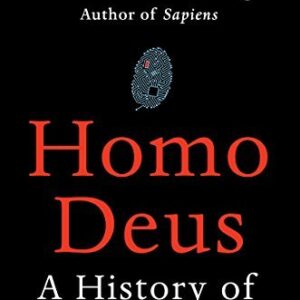
Homo Deus: A History of Tomorrow by Yuval Noah Harari
Original price was: 580৳ .340৳ Current price is: 340৳ .
Buy Now
Philosophy & Classic Books – Buy Online in Bangladesh
Explore philosophy and classic literature online in Bangladesh, from foundational works by Nietzsche, Sartre, and Bertrand Russell to enduring novels like Hermann Hesse’s Demian. Whether you’re studying philosophy formally or reading for the ideas that shaped modern thought, our collection brings together essential titles at accessible prices.
Every book is sold at competitive prices in BDT with fast, nationwide home delivery across Bangladesh.