

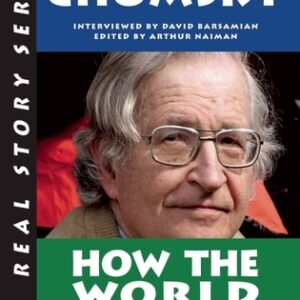
How the World Works by Noam Chomsky
Original price was: 550৳ .260৳ Current price is: 260৳ .
Buy Now
According to The New York Times, Noam Chomsky is “arguably the most important intellectual alive.” But he isn’t easy to read . . . or at least he wasn’t until these books came along. Made up of intensively edited speeches and interviews, they offer something not found anywhere else: pure Chomsky, with every dazzling idea and penetrating insight intact, delivered in clear, accessible, reader-friendly prose.
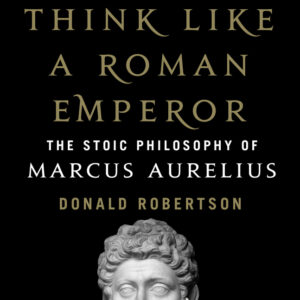
How to Think Like a Roman Emperor by Donald J. Robertson
Original price was: 400৳ .250৳ Current price is: 250৳ .
Buy Now
How to Think Like a Roman Emperor takes readers on a transformative journey along with Marcus, following his progress from a young noble at the court of Hadrian―taken under the wing of some of the finest philosophers of his day―through to his reign as emperor of Rome at the height of its power. Robertson shows how Marcus used philosophical doctrines and therapeutic practices to build emotional resilience and endure tremendous adversity, and guides readers through applying the same methods to their own lives.

Human, All Too Human by Friedrich Nietzsche
Original price was: 650৳ .320৳ Current price is: 320৳ .
Buy Now
This volume presents Nietzsche's remarkable collection of almost 1400 aphorisms in R. J. Hollingdale's distinguished translation, together with a new historical introduction by Richard Schacht. Subtitled "A Book for Free Spirits," Human, All Too Human marked for Nietzsche a new "positivism" and skepticism with which he challenged his previous metaphysical and psychological assumptions.
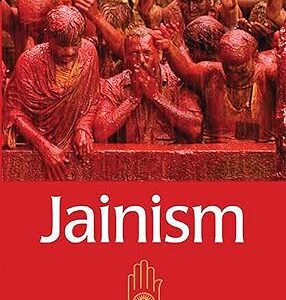
Jainism: An Introduction by Jeffery D. Long
Original price was: 600৳ .299৳ Current price is: 299৳ .
Buy Now
Jainism evokes images of monks wearing face-masks to protect insects and mico-organisms from being inhaled. Or of Jains sweeping the ground in front of them to ensure that living creatures are not inadvertently crushed: a practice of non-violence so radical as to defy easy comprehension. Yet for all its apparent exoticism, Jainism is still little understood in the West. What is this mysterious philosophy which originated in the 6th century BCE, whose absolute requirement is vegetarianism, and which now commands a following of four million adherents both in its native India and diaspora communities across the globe?
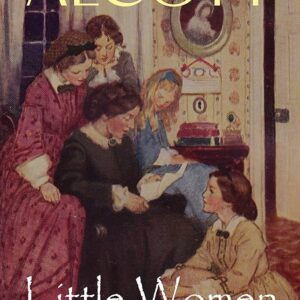
Little Women by Louisa May Alcott
Original price was: 500৳ .340৳ Current price is: 340৳ .
Buy Now
Generations of readers young and old, male and female, have fallen in love with the March sisters of Louisa May Alcott’s most popular and enduring novel, Little Women. Here are talented tomboy and author-to-be Jo, tragically frail Beth, beautiful Meg, and romantic, spoiled Amy, united in their devotion to each other and their struggles to survive in New England during the Civil War.
Lord of the Flies by William Golding
Original price was: 300৳ .199৳ Current price is: 199৳ .
Buy Now

Love Is My Savior: The Arabic Poems of Rumi
Original price was: 650৳ .299৳ Current price is: 299৳ .
Buy Now
Man Alone with Himself by Friedrich Nietzsche
Original price was: 350৳ .160৳ Current price is: 160৳ .
Buy Now
Friedrich Nietzsche was one of the most revolutionary thinkers in Western philosophy. Here he sets out his subversive views in a series of aphorisms on subjects ranging from art to arrogance, boredom to passion, science to vanity, rejecting conventional notions of morality to celebrate the individual's 'will to power'.
Man’s Search for Meaning by Viktor E. Frankl
Original price was: 350৳ .199৳ Current price is: 199৳ .
Buy Now
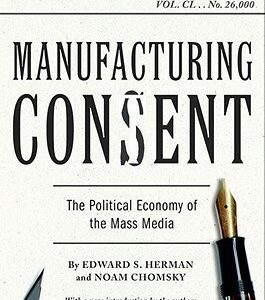
Manufacturing Consent by Edward S. Herman , Noam Chomsky
Original price was: 450৳ .330৳ Current price is: 330৳ .
Buy Now
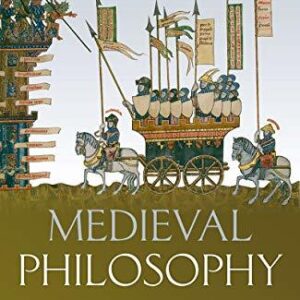
Medieval Philosophy by Peter S. Adamson
Original price was: 650৳ .399৳ Current price is: 399৳ .
Buy Now